Chapter three · One-club heroes
Careers Spent Under One Crest
Loyalty in football is usually praised and rarely examined. For some players it meant a lifetime of local devotion, and a strange kind of national invisibility once the cheering stopped.

Before the abolition of the maximum wage in England in 1961, and long before freedom of contract, staying at one club was often less a choice than a condition. Players were bound by the retain-and-transfer system and paid modest, capped wages. Yet some of them would almost certainly have stayed anyway. They grew up within walking distance of the ground, trained alongside neighbours, and saw no reason to leave. Their stories are rooted in place, and that is exactly why they travel badly.
The plumber of Deepdale
Tom Finney played his whole professional career for Preston North End, from the resumption of league football in 1946 until 1960, scoring 187 goals in 433 league appearances. He won 76 England caps and scored 30 international goals, comfortable on either wing or at centre-forward. Throughout, he kept working in his family's plumbing business, which earned him the nickname "the Preston Plumber".
Finney never won the league title or the FA Cup. He was knighted in 1998, and a statue known as "The Splash", based on a famous photograph of him beating a defender on a waterlogged pitch, stands outside Deepdale. In Preston he is beyond forgotten. Further afield, younger fans often know the statue better than the player.
A town can keep a legend safe for decades. It just cannot make the rest of the country listen.
From the editors' notebook
Gentleman Jim of Fratton Park
Jimmy Dickinson is perhaps the purest example of a one-club life. A composed left-half from Alton in Hampshire, he played 764 league games for Portsmouth across nineteen seasons, a club record. He was part of the side that won consecutive league championships in 1949 and 1950, and earned 48 England caps, playing at two World Cups. Known for his calm temperament as "Gentleman Jim", he played his final match in 1965, shortly after his fortieth birthday, and later returned to manage the club.
- 1925Born in Alton, Hampshire.
- 1946League debut for Portsmouth.
- 1949League champions; first England cap.
- 1950Retains the league title; plays at the World Cup in Brazil.
- 1954Second World Cup, in Switzerland.
- 1965Final match, aged 40, with 764 league appearances.
- 1977Becomes Portsmouth manager.
- 1982Dies, still remembered as the club's greatest servant.
Others who never wore another shirt
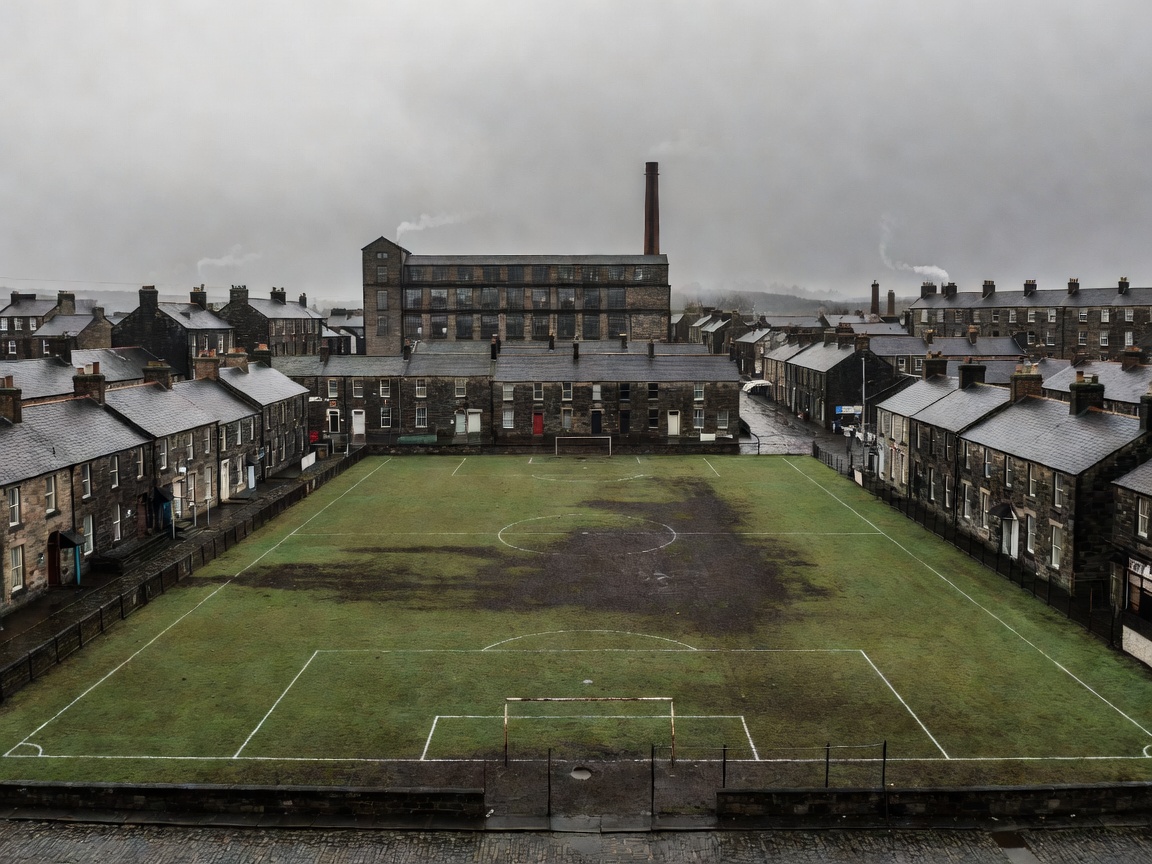
Nat Lofthouse
Scored 30 goals in 33 England games and earned the nickname "the Lion of Vienna" for a brave winner against Austria in 1952. Scored twice in the 1958 FA Cup final.
Billy Wright
The first player to win 100 international caps, finishing with 105, 90 of them as England captain. Won three league titles with Wolves.
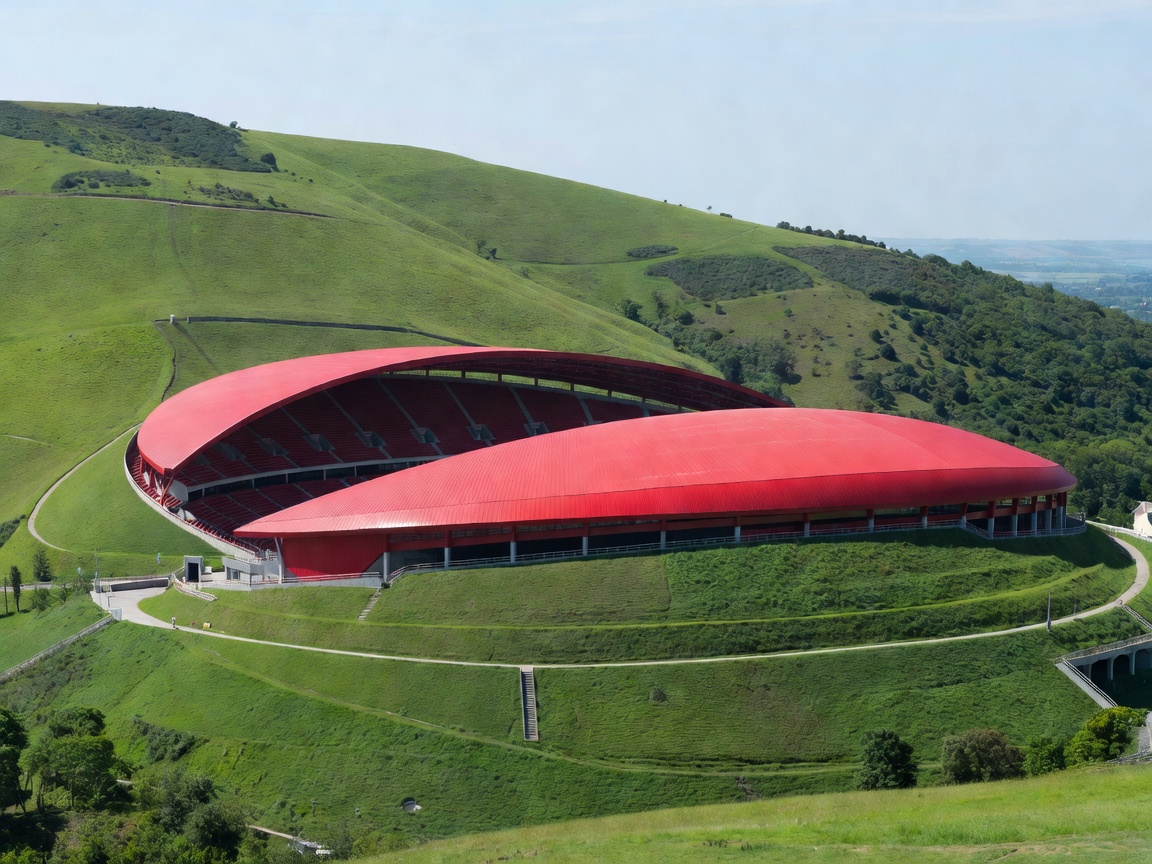
Fritz Walter
Captained West Germany to the 1954 World Cup and stayed loyal to Kaiserslautern, whose stadium now bears his name.
Why loyalty fades from view
A player who moves between big clubs collects audiences. Each transfer introduces him to a new city, a new press pack, a new set of supporters who will tell his story. A one-club player has a single, deeply devoted audience, and when that generation ages, the memory narrows with it.
There is also the matter of trophies. Finney won no major honour with Preston; Lofthouse won a single FA Cup. Modern conversation tends to measure greatness by medals, and loyalty to a modest club rarely produces many. The people who watched them knew better. Restoring these careers means listening to those voices, reading local newspapers and club histories, and remembering that greatness was once measured by what a player meant to the people beside him on the terrace.
Sources and further reading
- Tom Finney, Tom Finney: My Autobiography (2003).
- England Football Online – match and player records
- National Football Museum Hall of Fame